
Being Bold in Healthcare Delivery
How Cone Health Used Lean IPD to Create a New Destination for Integrated Care
Project at a Glance:
Project: Cone Health MedCenter Greensboro
Location: Greensboro, North Carolina
Owner: Cone Health
Size: Approximately 160,000 sq ft
Project Value: Approximately US$100 million
Delivery Method: Integrated Project Delivery (IPD) using a multi-party Integrated Form of Agreement (IFOA)
Completion: 2021
Executive Summary
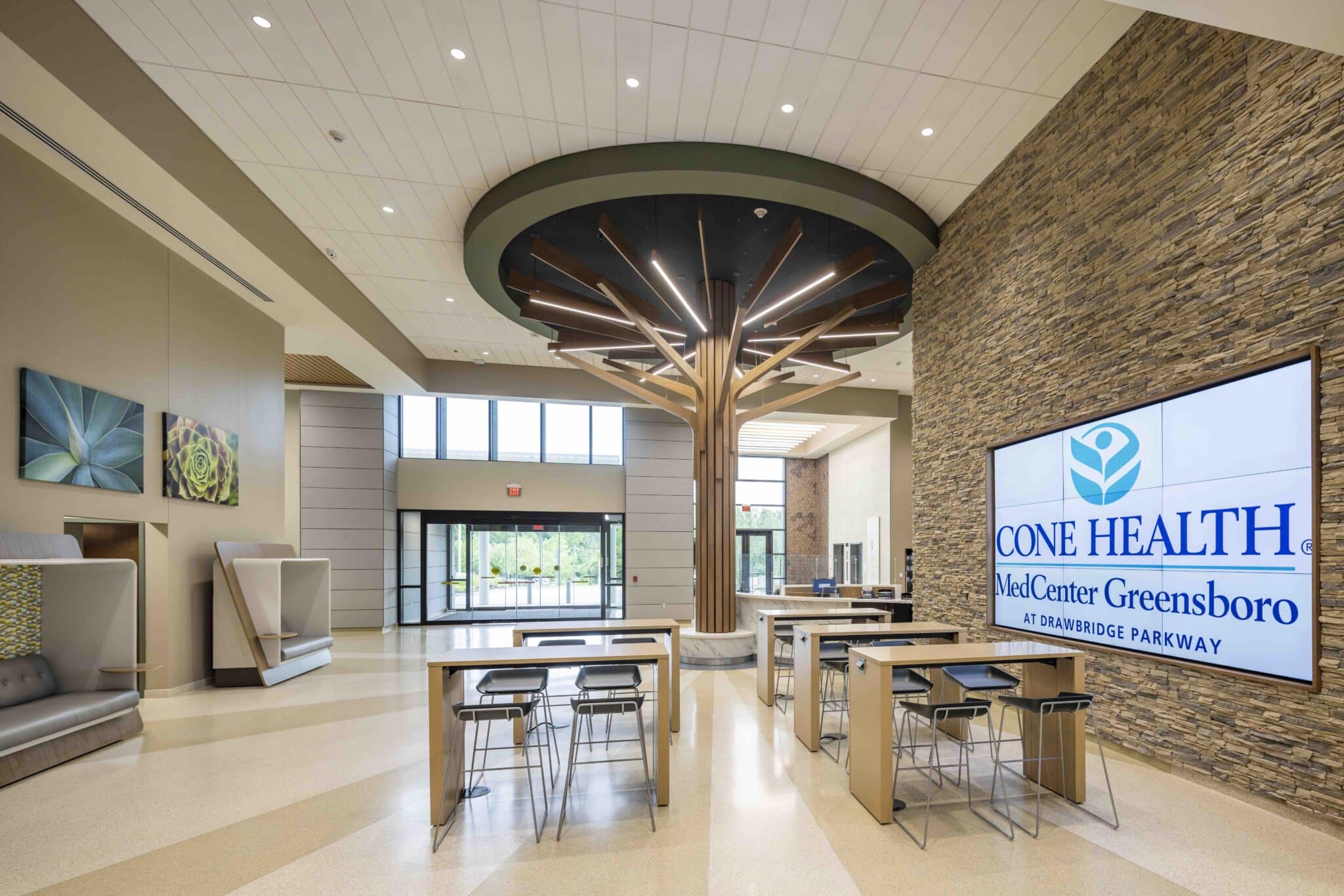
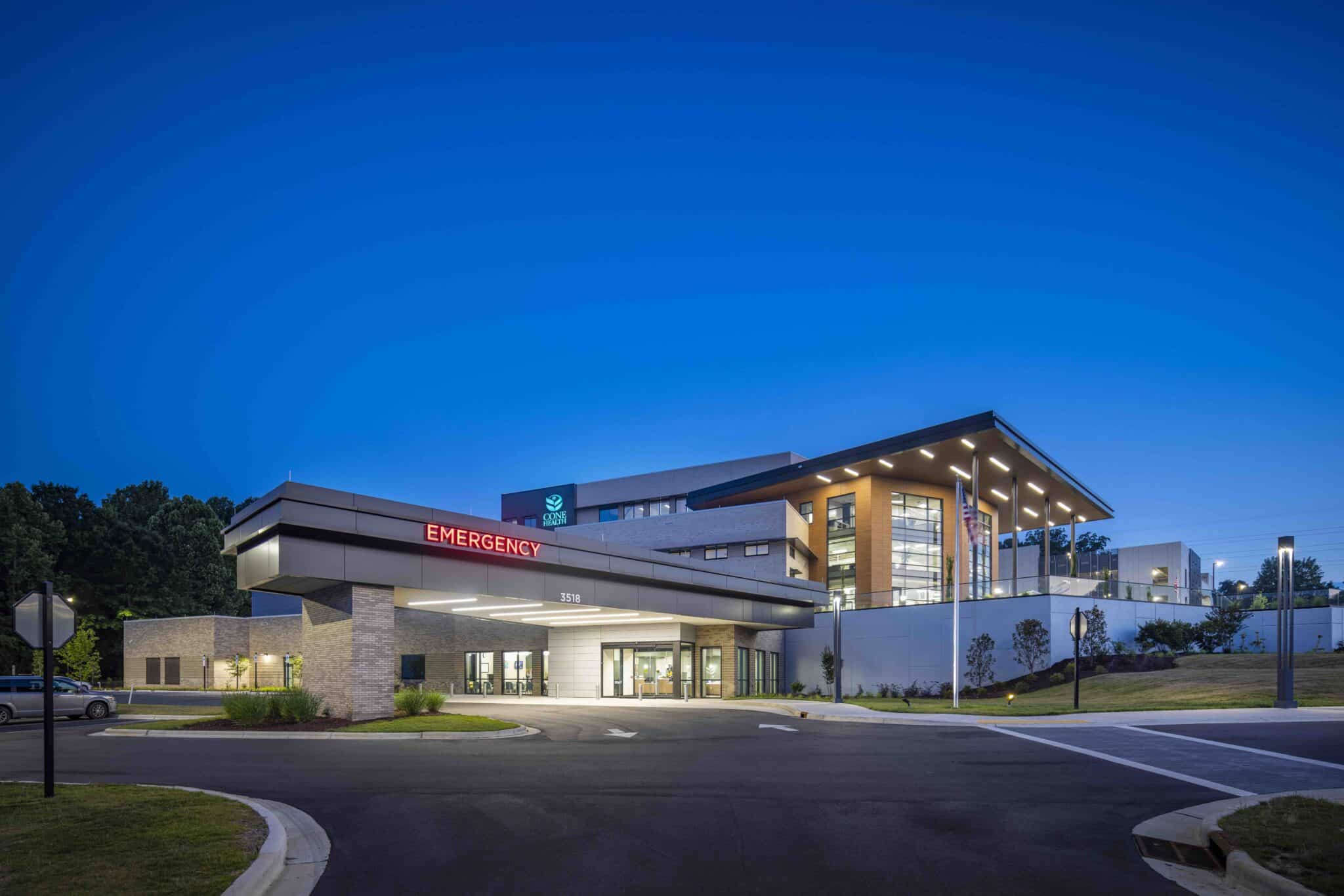
The vision for the Cone Health MedCenter Greensboro at Drawbridge Parkway was to build upon Cone Health's proven model by integrating medical care with wellness, prevention and community-based support services. As a result, hospital-level services came closer to residents and reduced pressure on Cone Health's major hospitals. Cone Health chose Lean IPD to maximize project efficiencies in design and cost.
Designing healthcare around people, not buildings
An aging population and chronic diseases, such as obesity, diabetes, cardiovascular disease, and mobility concerns, strain traditional care models and reinforce the importance of proactive wellness and healthy lifestyle choices. Consumers increasingly seek integrated health solutions, including fitness, rehabilitation, nutrition, and preventive services.
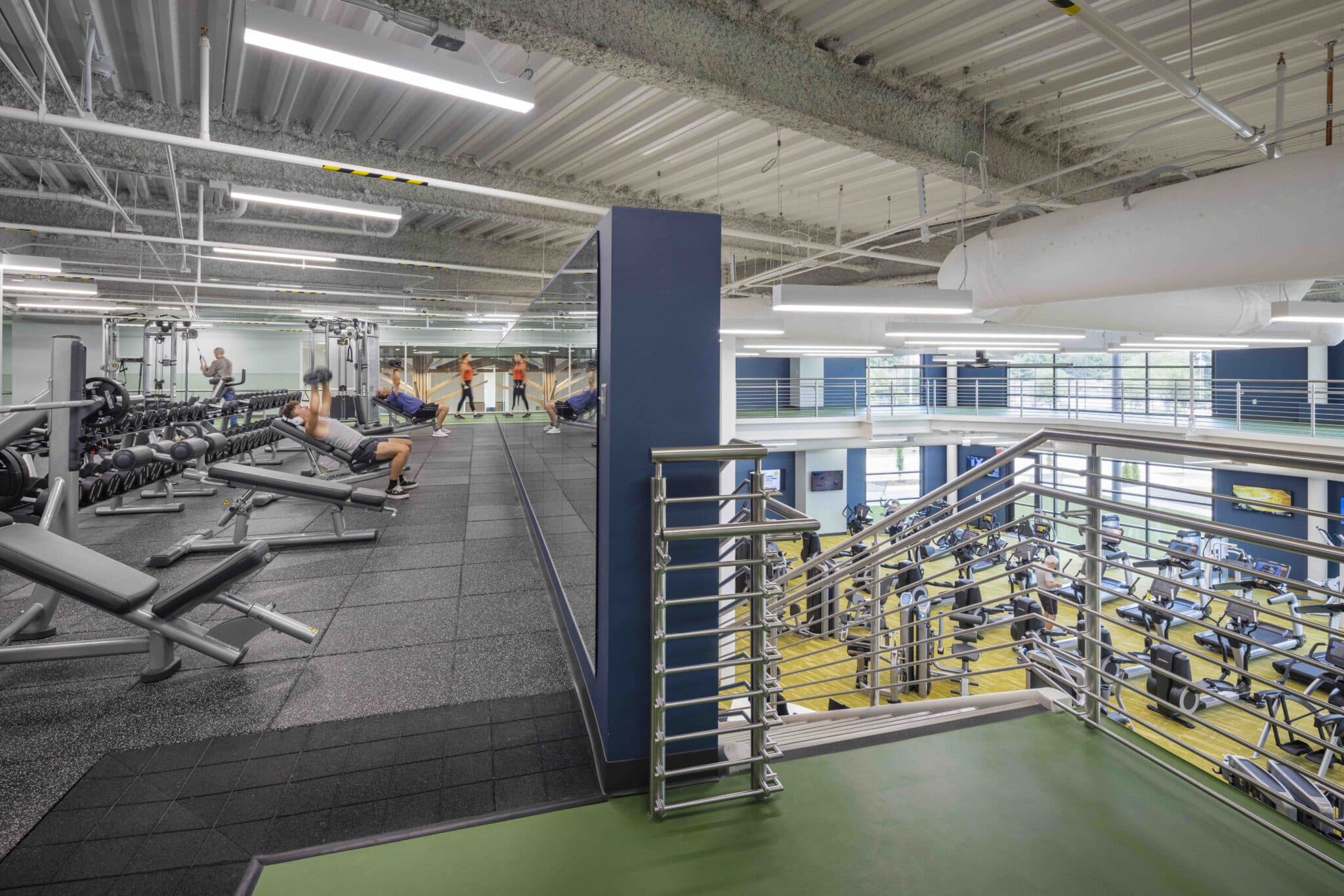
Cone Health's mission is to connect healthcare and well-being. The MedCenter Greensboro aimed to integrate medical care with wellness (including exercise prescriptions), prevention, and community-based support services, demonstrating a bold commitment to this integrated approach.
“Our vision for this project was to build a differentiated healthcare and well-being experience for our patients, consumers, and members,” explains Deno Adkins, SVP, Ambulatory and Consumer Services at Cone Health.
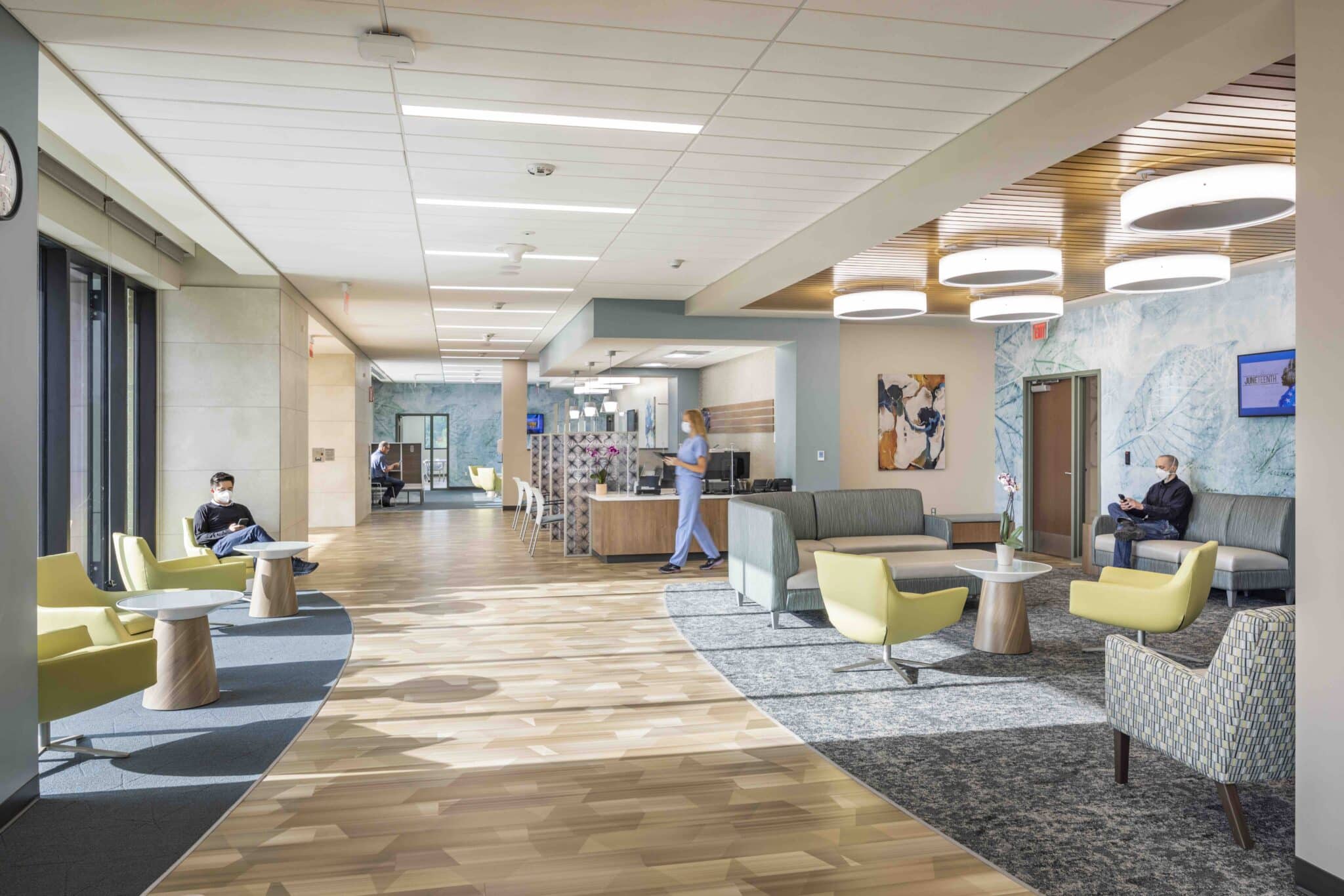
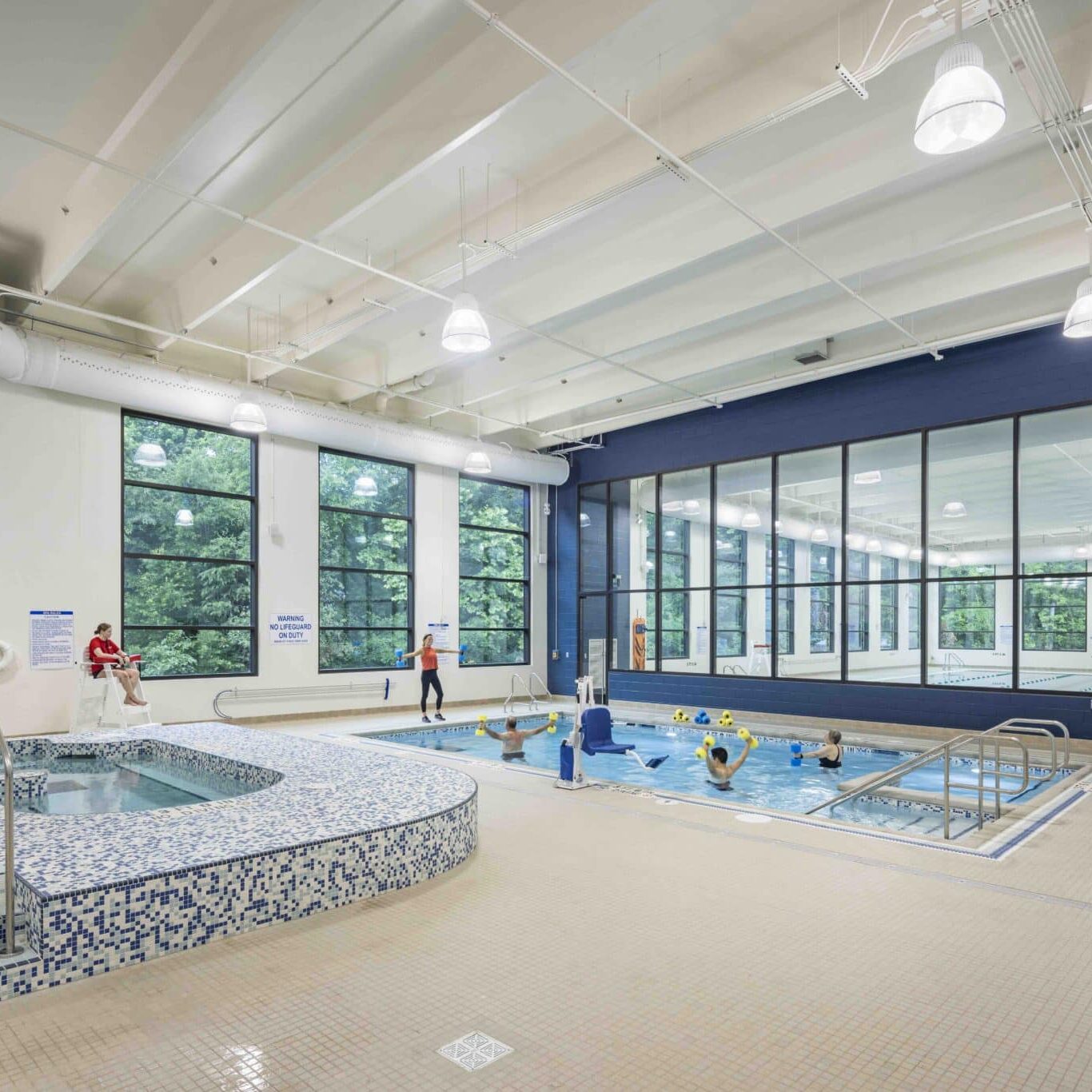
The MedCenter Greensboro resulted in a highly accessible destination where primary care, specialty care, diagnostics, and wellness services work together to improve the patient experience. Additionally, the design team wanted to reduce barriers to wellness participation and offer family-friendly support services, including onsite childcare.
Choosing Lean IPD to deliver greater certainty
Cone Health chose Lean IPD because it was a first-of-its-kind outpatient center, the first collaboration between two architectural firms, and their first freestanding facility over 100,000 square feet. The project aimed to maintain flexibility for specialists across different clinic areas, develop a recreational gym facility and pool coupled with a freestanding emergency department. For the development team at Cone Health, it was crucial to pursue an approach that engaged key stakeholders early in the process.
The IPD approach ensured schedule and financial predictability. After construction had started in 2019, the project team encountered COVID-19 lockdowns a year later, resulting in supply chain issues and material cost inflation. The IPD process, however, allowed the project to be largely unaffected by these external factors, maintaining original costs and only a one month delay in opening the facility.
“The project faced unique challenges during the pandemic when construction had to stop, but the team successfully purchased all remaining materials and locked in delivery dates, demonstrating the benefits of the integrated project delivery approach,” says Adkins. “This would not have been possible under a traditional delivery method.”
Transparency was the biggest advantage of using IPD
Rather than operating as separate organizations with competing priorities, the Integrated Form of Agreement (IFOA) aligned the entire team around a single business case. Shared risk and shared reward encouraged collaboration instead of conflict.
Team members felt included in decision-making and valued for their contributions. This allowed for cross-pollination of ideas that blended innovation with tradition, creating unexpected synergies in the design and development process.
“Transparency was the biggest advantage of using IPD, and it surprised me how collaborative the different trades were during the project. Teams actively helped each other identify cost-saving opportunities and discussed technical details, such as sound attenuation, between the emergency department and the gymnasium, for example,” explains Adkins.
From the outset, the team focused on defining project scope, establishing target costs, clarifying patient experience goals and agreeing on project constraints before making major design decisions. Maintaining the project budget was critical, and monthly Big Room meetings with the GC, the architectural team, the Cone Health ambulatory and finance teams allowed a detailed review of spending against budget, value engineering, and reducing scope creep.
“My role as project owner changed during the project, focusing on teaching responsible decision-making in time-bound situations,” Adkins reflects.
Constraints trigger innovation
“Innovation blooms within an environment of constraints,” emphasizes James Pease, Lean IPD Expert and Consultant. “If there were unlimited resources available, there would be no need to consider different ways of developing, designing, and producing deliverables.”
Project constraints challenged the IPD team to look beyond traditional ways of thinking and being, to encourage creative solutions to difficult problems.
According to Adkins, the success of this project was meeting and exceeding patient, consumer, and team member satisfaction while keeping them at the center of decisions. “That's how we win.”
Lean IPD aligns teams toward a common purpose
“Lean IPD in healthcare projects brings people together around shared goals and helps align teams toward a common purpose of driving a healthier future for communities,” says Adkins. He names concerns about time requirements and savings potential as the main misconceptions about IPD, while highlighting that the project's success came from keeping the common interest focused on patient outcomes rather than the owner's interests.
Adkins is most proud when he sees patients and members of Sagewell Health and Fitness (Cone Health’s version of medical fitness) staying longer without appointments to meet friends and utilize the facility’s services.
Looking back, Adkins believes the biggest lesson for owners is to embrace the discipline of "going methodical to go fast." Investing time upfront in Target Value Design, collaborative decision-making and stakeholder alignment creates the certainty needed to move quickly later in the project. "When you put your patients, consumers and members at the center," he says, "they determine and drive the value."
Image credit: Albert Vecerka/Esto
About Cone Health
Cone Health is a not-for-profit health care and wellness system in North Carolina with more than 14,000 employees, 1,650 physicians, and 550 volunteers. As one of the region’s largest and most comprehensive health and wellness systems, Cone Health has more than 150 locations, including five hospitals, six ambulatory care centers, three outpatient surgery centers, 13 urgent care centers, one retirement community and more than 120 physician practices.